

 22 Sep 2026 –
3 Oct 2026
22 Sep 2026 –
3 Oct 2026
 12 Days 11 Nights
Early Bird Promo
First four bookings with deposit (limit to four rooms) will get complimentary upgrade to Suite with Mountain View in Gholghola Hotel for 3 nights
Afghanistan, cradle of some of the world’s earliest civilisations and a pivotal point on the ancient Silk Road, boasts a history stretching back millennia. Its landscape is etched with layers of cultural influence, from the monumental Buddhist statues of Bamiyan to the intricate Islamic architecture found throughout the country, particularly in cities like Herat. Despite periods of conflict and significant challenges, Afghanistan’s rich historical tapestry and stunning natural beauty endure, offering a profound glimpse into a complex and storied past.
This trip offers a focused journey through some of Afghanistan’s most significant historical and natural sites. It begins in the vibrant, complex capital, Kabul, before venturing northeast to the UNESCO World Heritage site of Bamiyan, where the immense 6th-century Buddhas once stood, their destruction by the Taliban a stark reminder of the regime’s impact. The itinerary then moves to the stunning Band-e Amir National Park, featuring a series of beautiful turquoise lakes and unique geological formations. Finally, the trip concludes in Herat, renowned for its remarkably preserved Islamic architecture, including the impressive remnants of the Gowhar Shad Musalla complex, showcasing a different facet of Afghanistan’s architectural heritage.
Itinerary Highlights
- Following a smoothly processed Afghanistan visa, experience a guided architectural tour of Dubai with a professional architect-guide
- Travel with confidence through Afghanistan! Our carefully crafted itineraries are designed with safety in mind, including the presence of a government licensed security personnel accompanying our small groups to major sites
- Visit a Kabul art studio, where we meet and interact with the talented young Afghan women who create beautiful contemporary arts
- Most fully inclusive arrangements and accompanied by Intriq’s Travel Concierge
Registration Closing Date
24 Jun 2026 or when tour is fully subscribed.
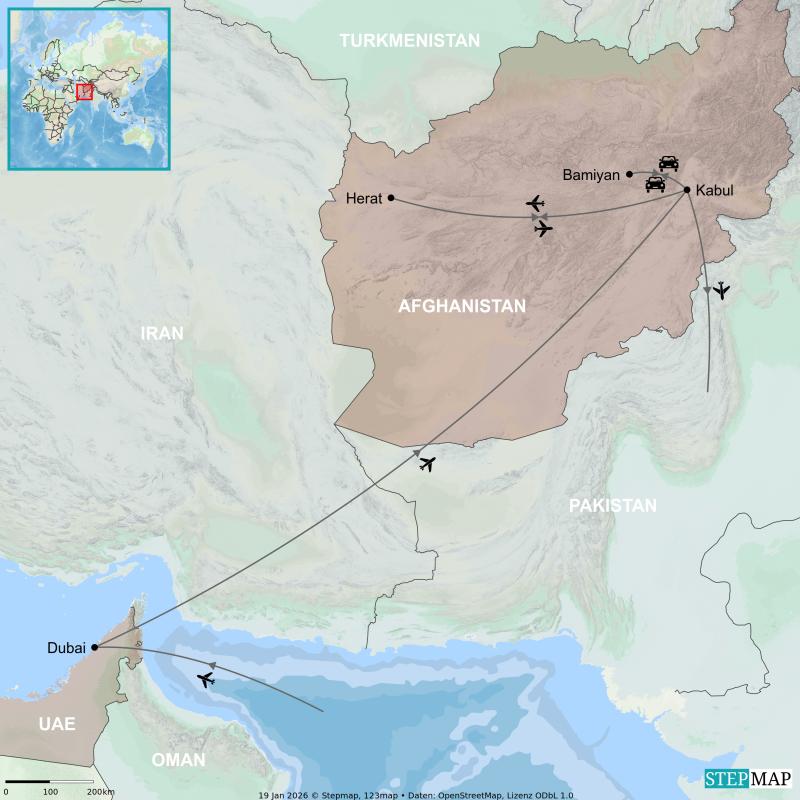
Itinerary Outline
-
Day 1
22 September 2026 (Tue) Arrival in Dubai
-
Day 2
23 September 2026 (Wed) Dubai
-
Day 3
24 September 2026 (Thu) Dubai / Kabul
-
Day 4
25 September 2026 (Fri) Kabul
-
Day 5
26 September 2026 (Sat) Kabul / Shahr-E Zurak / Bamiyan
-
Day 6
27 September 2026 (Sun) Bamiyan
-
Day 7
28 September 2026 (Mon) Bamiyan
-
Day 8
29 September 2026 (Tue) Bamiyan / Kabul
-
Day 9
30 September 2026 (Wed) Kabul / Herat
-
Day 10
01 October 2026 (Thu) Herat
-
Day 11
02 October 2026 (Fri) Herat / Kabul
-
Day 12
03 October 2026 (Sat) Departure from Kabul
Itinerary
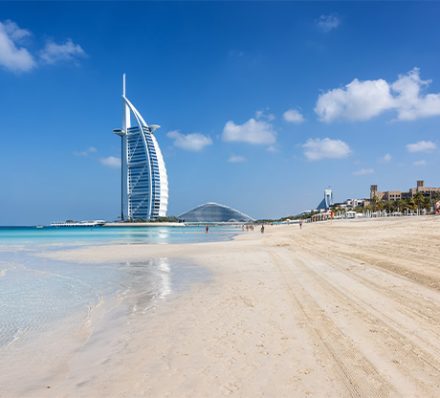
22 September 2026 (Tue) Arrival in Dubai
Arrival in Dubai
Touch down in Dubai, a modern metropolis and global hub, where we will apply our Afghanistan visa. Transfer to your accommodation and unwind


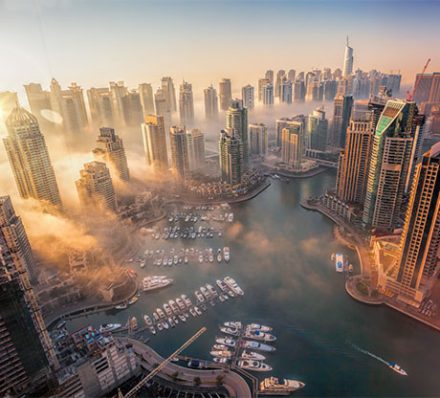
23 September 2026 (Wed) Dubai
A Day in Dubai
We commenced the day by applying for visas at the Afghan Consulate. In the afternoon, dedicated to exploring the city’s rich architectural heritage. A journey showcasing both Dubai’s traditional past and its futuristic skyline, visiting landmarks that highlighted the evolution of the emirate. The tour culminated at the iconic Burj Khalifa, offering breathtaking views of this modern marvel.
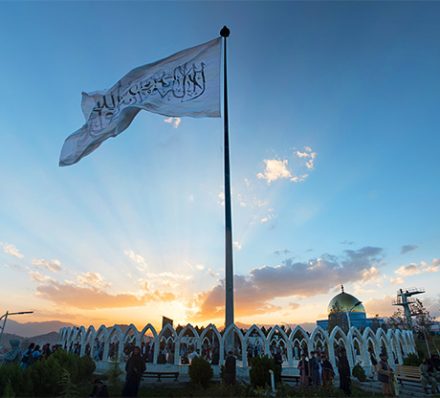
24 September 2026 (Thu) Dubai / Kabul
Entering Afghanistan
This morning you will be transferred to the airport for a 3-hour flight to Kabul, Afghanistan’s capital.
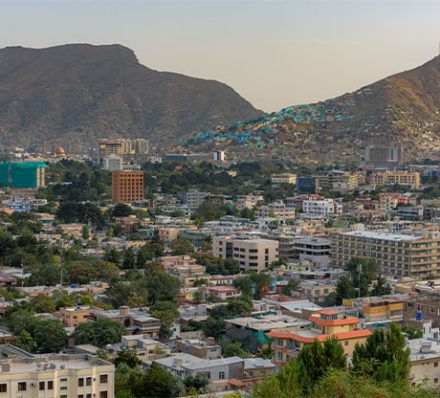
Upon arrival, we will make a stop at Wazir Akbar Khan Hill, a strategic viewpoint offering panoramic vistas of the historic city. Then we will check into your hotel and have the remainder of the day at your leisure to rest and prepare for our adventure.
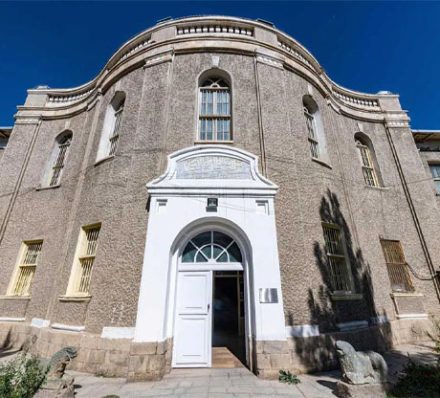
25 September 2026 (Fri) Kabul
National Museum of Afghanistan
We being our exploration at the National Museum of Afghanistan. Housed within its walls are artifacts and artworks spanning the country’s immense history and cultural heritage. The collection, which dates back fifty millennia, encompasses periods from Prehistoric to Classical, Buddhist to Hindu, and Islamic eras, standing as one of the world’s greatest inheritances of ancient treasures.
The Stupa of Guldara and Shewaki
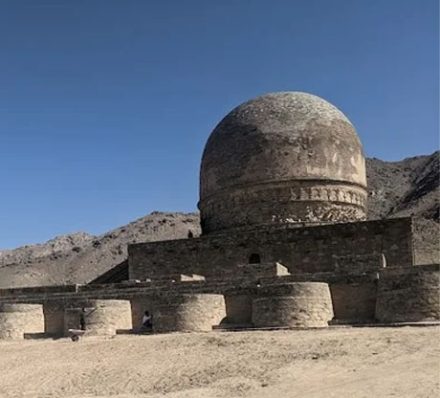
Our exploration continues with a focus on significant Buddhist religious sites: the Stupas of Guldara and Shewaki. Dating back to the Kushan period (roughly 1st to 3rd centuries CE), these structures are not merely ancient relics but vital testimonies to Afghanistan’s rich Buddhist past. They lie along a historically crucial route used by pilgrims journeying between the Indian subcontinent and the renowned Buddhist center of Bamiyan.
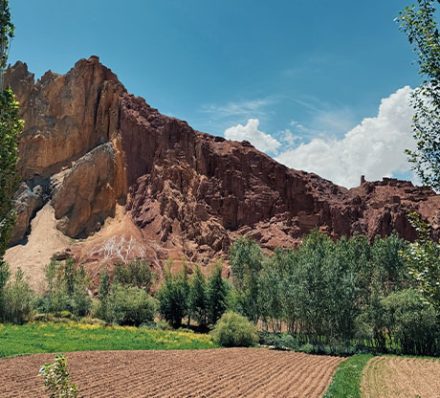
26 September 2026 (Sat) Kabul / Shahr-E Zurak / Bamiyan
Drive towards Bamiyan Valley
Our journey continues towards Bamiyan Valley. Nestled in the central Afghan highlands, Bamiyan was not only a significant Buddhist center but also a vital link in the ancient trade routes stretching from China to India. These routes, passing through Bactria (ancient Afghanistan), were crucial arteries of the Silk Road, fostering not just commerce but also the exchange of ideas and culture, including Buddhism itself.
The Red City
Shahre Zuhak, the magnificent Red City, an ancient Sassanian stronghold located on the strategic high ground near Bamiyan. Dating back to the 6th century, this formidable fortress was constructed by the powerful rulers of the Sassanian Dynasty. Its name is a direct reference to the dramatic reddish coloration of the surrounding rock formations and soil – a geological feature that gives the site its unique and evocative identity.
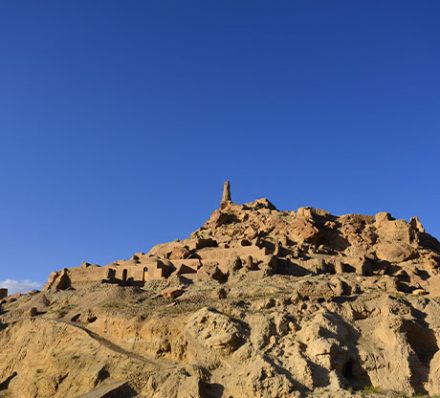
27 September 2026 (Sun) Bamiyan
The Buddhas of Bamiyan
The Bamiyan Buddhas is the valley’s most famous sight. These giant statues, carved from the cliff face over a thousand years ago, were destroyed by the Taliban in 2001. While their loss is deeply felt, a smaller replica of one Buddha is currently being rebuilt, a project that holds significance for the local community and offers a symbol of hope for preserving this vital cultural site.
City of Screams
Visit the ruins of Gholghola City, famously known as the City of Screams. Established as a key trade and military center during the Ghaznavid and Ghurid eras, the city met a tragic fate in the 13th century when Genghis Khan’s army destroyed it. The intense violence of the siege, characterized by the piercing screams heard throughout the Bamyan Valley, is said to be the origin of its modern name, evoking the terror of that historical event.
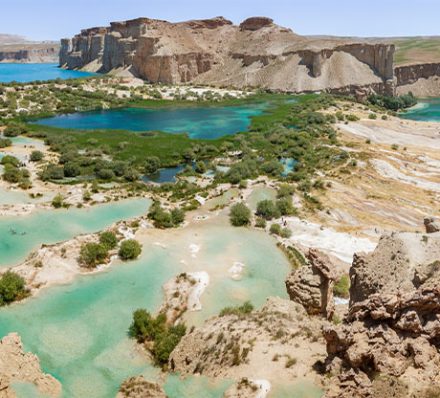
28 September 2026 (Mon) Bamiyan
Afghanistan’s First National Park
Visit to Band-e Amir National Park, a relatively new addition to Afghanistan’s protected areas but a spectacular one. Often called the “Grand Canyon of Afghanistan,” this park is dominated by its six stunning turquoise lakes, set against dramatic limestone cliffs. The highlight of our visit will be a walk along the trail that winds through the park’s heart. This path provides incredible, close-up perspectives of the lakes, the cascading water, and the towering rock faces, immersing us in this incredibly photogenic and peaceful natural wonder.
Hazara People Village
This afternoon, we explore a Hazara village. The Hazara are Afghanistan’s third-largest ethnic group, with a population of approximately 6 million. Historically, they were primarily agriculturalists and pastoralists living in rural areas, with some migrating to towns for commerce or artisan work (like carpet making, often by women). Their origins are sometimes linked to Gengis Khan’s 13th-century campaigns, adding a layer of historical depth to their presence in the region.
29 September 2026 (Tue) Bamiyan / Kabul
Spiritual and Cultural Beacon
Upon returning to Kabul, we visit the Sakhi Shrine, a profoundly important site for many Afghans, especially the Shia community. Known as the Shrine of Imam Ali, the son-in-law of Prophet Muhammad, it is considered by many pilgrims to be his final resting place. The name “Sakhi” reflects the Imam’s generous nature. The shrine stands as a powerful symbol of faith and historical continuity, welcoming visitors with an atmosphere of solemn reverence.
The Bird Market
Visit Kabul’s renowned Bird Market. Located in the city center, this vibrant market is dedicated to the trade of colourful birds, including species like canaries, parakeets, and various finches, housed in numerous cages. We will stroll through the lively stalls, observing the hustle and the diverse array of feathered creatures, providing a colourful and auditory experience of local Kabul life.
30 September 2026 (Wed) Kabul / Herat
A Mughal Oasis in Kabul
This morning, we pay homage at Babur’s Garden in Kabul, a Mughal-era oasis founded by the first emperor. Originally Babur’s personal retreat, it now houses his tomb. Enjoy a peaceful walk through its beautifully landscaped grounds, featuring diverse trees and flowers, and explore the small mosque and Queen’s Palace nearby, connecting you to the rich history and natural beauty cherished by Babur.
After that, we take a domestic flight from Kabul to Herat, the ancient city often referred to as “The Pearl of Khorasan.” This journey connects us to one of Afghanistan’s most significant cultural and historical centers.
The Spiritual Sanctuary
Upon arrival, we pay respects at the Khwaja Abdullah Ansari Shrine, a beautiful mausoleum and important Sufi site. Known for its exquisite Timurid architecture, intricate tile work, and calligraphy, it remains a deeply spiritual place, continuing to attract pilgrims seeking spiritual connection and cultural heritage.
01 October 2026 (Thu) Herat
Islamic Military Architecture
The Herat Citadel is a UNESCO World Heritage Site and a monumental example of Islamic military architecture. This vast, ancient fortress dominates the city, built over a millennium by successive empires like the Timurids and Safavids. Within its high, rocky position, you’ll find a diverse collection of buildings – palaces, mosques, and defensive structures – showcasing the enduring legacy and sophisticated design principles of Islamic military architecture.
A Jewel of Islamic Art
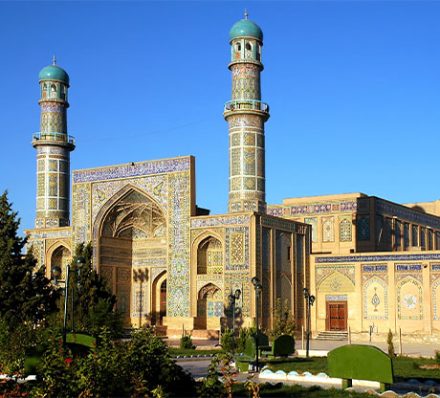
Our afternoon takes us to the Herat Central Blue Mosque, a magnificent and important place of worship for the Sunni community in Herat. It is an outstanding example of Islamic architectural artistry, most notably celebrated for its masterful use of tilework. The interior is a masterpiece of design, showcasing an intricate combination of geometric and floral motifs executed in vibrant blues, turquoise, and white tiles. This complex and breathtaking display solidifies the mosque’s reputation as a Jewel of Islamic Art.
A Historic Crossing Point
Then we visit Malan Bridge, a historic crossing point that has served as a vital artery for centuries. Its strategic location on the ancient caravan route connecting Sistan, Kandahar, and India made it crucial for centuries-long trade and travel across the region. The bridge has silently witnessed the rise and fall of empires. Now, it’s a gathering place for the local community, offering a glimpse into the daily life and enduring spirit of Herat.
02 October 2026 (Fri) Herat / Kabul
Musalla Complex
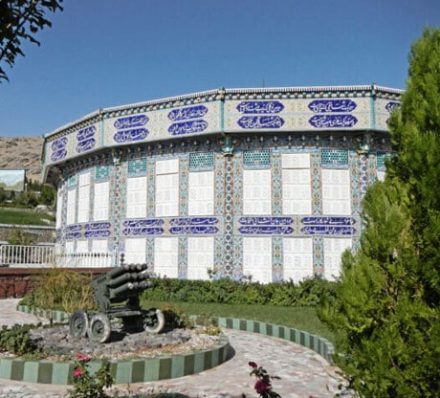
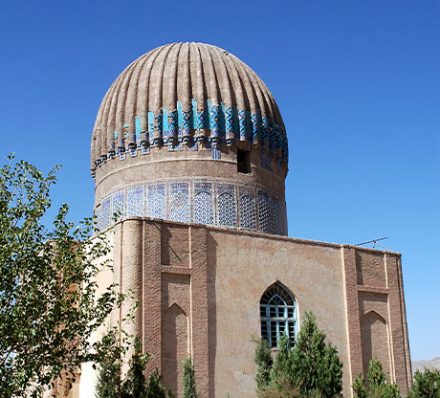
Visit to the legacy of Gowhar Shad, a significant female figure in Afghan history, through the ruins of the Musalla Complex she commissioned. This complex was an extraordinary feat of Islamic architecture, originally encompassing a mosque, a religious school (madrassa), a tomb (mausoleum), and more than twenty towering minarets. Its sheer scale and intricate design placed it among the most impressive religious complexes of its era, comparable to wonders in Samarkand and Esfahan. Today, only five of the minarets and the mausoleum endure, serving as poignant reminders of this lost architectural masterpiece.
Chicken Street
After lunch, we take a flight back to Kabul.
Upon arrival, we immerse ourselves in the vibrant atmosphere of Chicken Street, one of the city’s most famous and lively thoroughfares. Despite its name originating from its historical poultry market, the street has transformed into a bustling hub of local commerce. Today, it’s lined with countless little shops brimming with Afghan handicrafts and treasures, offering a colourful snapshot of contemporary Kabul’s artisanal and antique scene.
03 October 2026 (Sat) Departure from Kabul
Transfer to Kabul Airport
A transfer will be arranged to Kabul Airport for your departure flight.
Hotels
Tour Price
First four bookings with deposit (limit to four rooms) will get complimentary upgrade to Suite with Mountain View in Gholghola Hotel for 3 nights
 Includes
- Accommodation as stated on twin sharing basis, unless on single supplement, on bed & breakfast basis
- Domestic Flight Kabul/Herat/Kabul on Economy class as stated in the itinerary
- All transportations and transfers as stated on an air-conditioned vehicle
- Service of local English-speaking guide
- All entrance fees of sites as stated
- Lunches and dinners with beverages in restaurants
- Afghanistan Invitation letter
- Visa application fee
- All tipping to local guides, porters and other local service staff
- Service of Intriq’s Travel Concierge throughout the trip
 Excludes
- International airfare and airport taxes
- Dubai Visa and entry taxes (if required)
- Airport transfer before or after stated travel dates
- Travel insurance
- Personal expenses such as spa, laundry and bar bills